Services
Celebrating 20 years of business!
SERVICES
Diagnostic Testing
Discograpgy
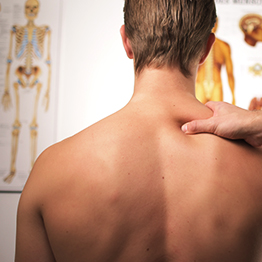
The test confirms or denies the disc(s) as a source of pain. A small amount of contrast dye is injected into the affected discs and an X-ray, or discogram, is taken. The discogram can show cracks, tears or fissures in the wall of the spinal discs and help determine the best course of treatment for disc related pain.
Magnetic Resonance Imaging (MRI)
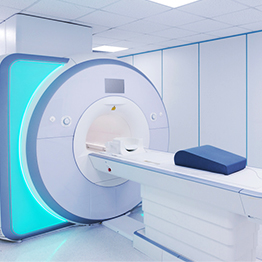
An MRI produces vivid and complex images depicting the relationships between vertebrae discs, the spinal cord and nerve roots. The results of an MRI can guide further testing and trea
SERVICES
X-Ray Guided Treatments
Cervical and Lumbar Epidural Injections
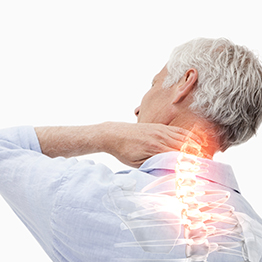
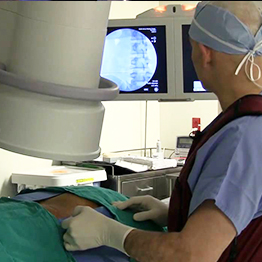
The epidural space surrounds the spinal cord and the nerves coming out of it, and extends from the neck to the base of the tailbone. An epidural injection reduces the swelling and inflammation of spinal nerves and surrounding tissues using a long acting, anti-inflammatory steroid.
Lumbar Transforaminal Epidural Injection
This procedure is designed to reduce specific nerve root inflammation. A long acting anti-inflammatory steroid is injected into a small sleeve of the epidural space where the nerve leaves the spine.
Medical Branch
Injection
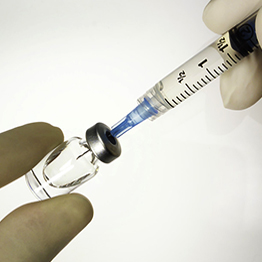
Medical branch nerves enable a person to feel pain caused by the facet joints. This procedure temporarily blocks the pain signals sent from the medial branch nerves using numbing medicine, and helps determine if permanent blocking of these nerves will provide long-term pain relief.
Medical branch Radio Frequency Neurotomy
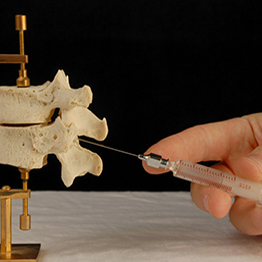
Medical branch nerves do not control any muscles or sensation in your arms or legs, and there is strong evidence to suggest they are a common source of pain in facet joints. This procedure acoeturns offac these small nerve ending by cauterization, using a non-surgical heat lesion produced by a special R-F needle.
Sacroiliac and Lumber Facet
Joint Injections
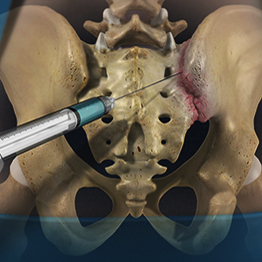
These procedures treat and pinpoint the source of pain in the lower back. The lumber facet joint are small, paired joints in the lower back. The sacroiliac joint connects the sacrum at the base of the spine to the ilium of the pelvis. Inflammation, injury or mechanical stress in these joints, can cause pain in the lower back, hips, buttocks and legs. A long acting, anti-inflammatory steroid is used to reduce the inflammation and swelling of tissue in and around these joints.
SERVICES
Other Treatments
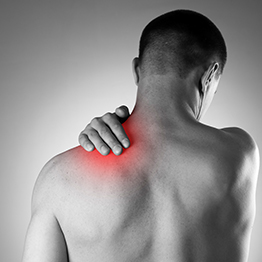
Trigger Point Injections
This procedure is used to treat painful areas of muscle that contain trigger points, or knots that form when muscles do not relax. These knots can irritate the surrounding nerves and cause pain in other parts of the body. The injection contains a local anesthetic that makes the trigger point inactive and relieves the associated pain.

Bracing
Bracing provides an external system of support to help relieve pain, stabilize weakened structures and correct or prevent deformities. Braces may be worn as a treatment for scoliosis, tendonitis or arthritis.

Pain Medication
Prescription medications can help relieve pain and enable patients to engage in more active rehabilitation, thereby avoiding the development of a more chronic condition.

Therapy Referrals
This can be an important component of many pain management plans. Therapy can help people remain active by strengthening weakened muscles, improving range of motion and instructing patients on proper posture and body positioning.
DROP US AN EMAIL OR REACH US
Contact Us

Dr. Remon Fino, MD, PA
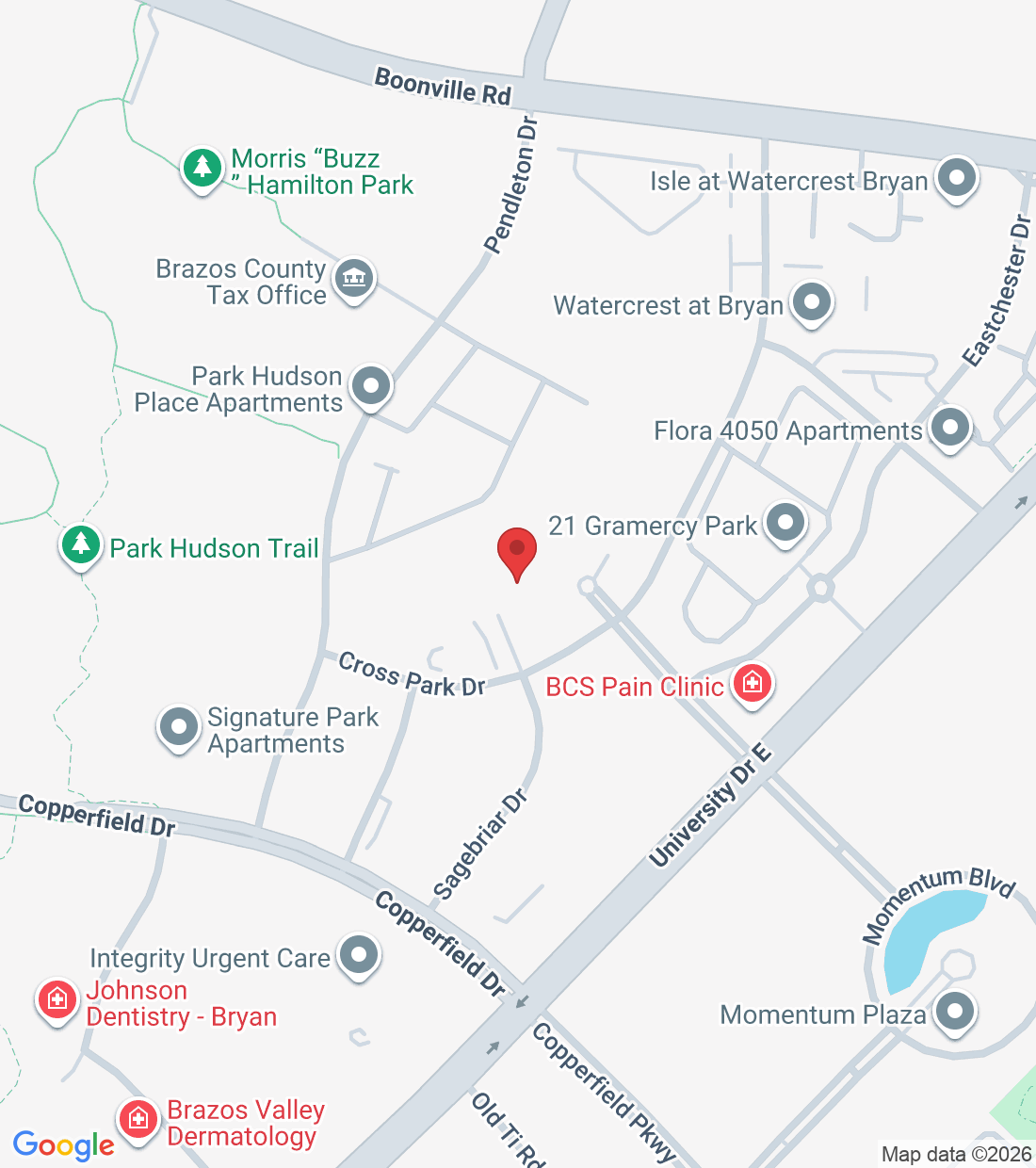
3850 Sagebriar Dr.Suite 111Bryan, TX 77802